Your Shopfront Is Talking to Shoppers Before You Do — Here's How to Make It Say the Right Thing on a Budget
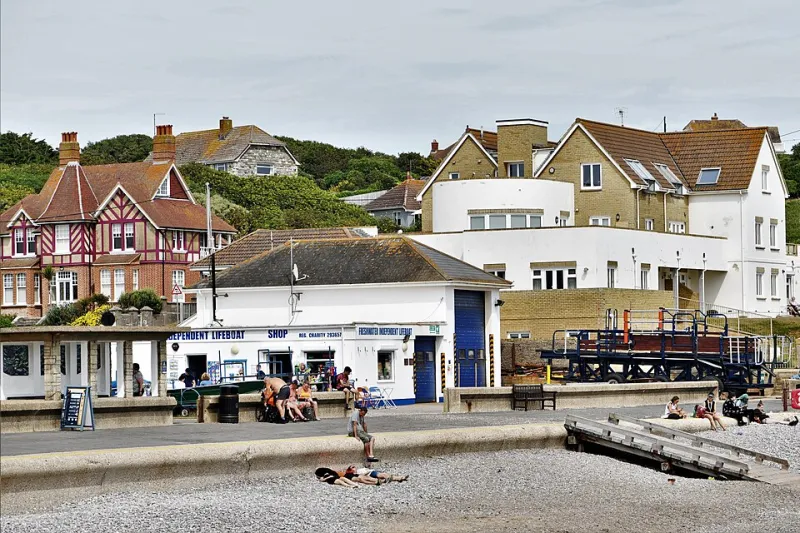
Photo: Michael Garlick , CC BY-SA 2.0, via Wikimedia Commons
Walk down any high street — whether it's a market town in Yorkshire or a suburb of Manchester — and you'll spot the same pattern. Some shops seem to pull people in almost effortlessly, while others sit quietly, passed by without a second glance. Nine times out of ten, the difference isn't the products inside. It's the signage outside.
The good news? You don't need a five-figure budget to fix a dull shopfront. Here are seven approaches we regularly recommend to independent retailers who want more footfall without a second mortgage.
1. Cut Vinyl Window Graphics: The Best Value in Signage
If there's one upgrade that punches above its weight, it's cut vinyl. A simple run of lettering across your window — shop name, what you sell, opening hours — can cost anywhere from £80 to £250 installed, depending on size and design complexity.
The trick is restraint. Cramped, cluttered windows scream 'closing down sale'. Clean type, generous spacing and one clear message read as confident and established.
2. A-Board or Pavement Sign: Your Cheapest Salesperson
A decent A-board sets you back £40–£150, and unlike fixed signage, you can update it daily. Cafés and delis swear by chalkboard versions for menus and offers, while printed double-sided boards keep your message visible from both directions of foot traffic.
One caveat: check with your local council first. Some authorities require a licence for pavement displays, and a few town centres have banned them altogether.
3. A Projecting Sign That Works Above the Crowd
Flat fascias get lost when the pavement is busy. A projecting sign — the kind that sits perpendicular to your shopfront — catches the eye of people further down the street who'd otherwise walk straight past.
Basic aluminium projecting signs start around £150–£300, while illuminated or swing-style options run £400–£900. For a narrow high street unit, it's often the single most effective spend on this list.
4. Frosted Vinyl for Privacy and Polish
Not every window needs to be a shop window. If you've got a section of glazing you'd rather screen off — stockrooms, consultation areas — etched-effect frosted vinyl costs roughly £25–£50 per square metre and instantly makes a tired interior look sharper. Add a simple logo or pattern and it doubles as branding.
5. Refresh the Fascia — Or Just the Lettering
A full fascia replacement is the priciest item here, typically £600–£1,500 for a small shopfront depending on materials and lighting. But if the fascia board itself is sound, swapping just the lettering or adding a lightbox can halve that cost.
Ask yourself honestly: is the board weathered and flaking, or just the graphics on it? The answer decides your budget.
6. Seasonal Vinyl That Costs Pennies and Earns Attention
Large-format printed vinyl lets you change your window display for Christmas, summer sales or local events without repainting anything. A full printed window panel might run £100–£300, and it's removable, so you can rotate designs as the calendar turns.
Retailers who change their windows every six to eight weeks consistently report more repeat glances from regular passers-by — familiarity breeds invisibility otherwise.
7. Don't Underestimate a Clean, Well-Lit Entrance
The cheapest item on this list is a bucket of soapy water and a £20 door light. Grubby glass and a dead bulb undo everything else you've spent on signage. Lighting in particular matters during the dark months from October onwards, when your shopfront does its hardest work.
DIY or Professional Installation?
Here's our honest take. A-boards and seasonal displays: absolutely DIY. Window vinyl: possible as a DIY job if you're patient, but bubbles and crooked lines are unforgiving on large lettering — professional fitting usually adds £50–£100 and looks dramatically better. Anything involving ladders, electrics or fascia work should go to a qualified fitter. A sign falling off onto a shopper is not a saving.
Where to Spend First
If you can only do two things: get your main signage legible and clean (items 5 and 7), then add one attention-grabber — a projecting sign or a strong A-board. That combination covers the two jobs a shopfront has to do: tell people what you are, and give them a reason to stop.
The high street is tough right now, but the shops that invest even modestly in how they look from the pavement are the ones that stay on it. If you'd like a no-pressure quote for any of the above, we're always happy to talk through what would actually move the needle for your premises.