The Fascia You Can't Legally Hang: Consent, Curb and the Calls Nobody Makes
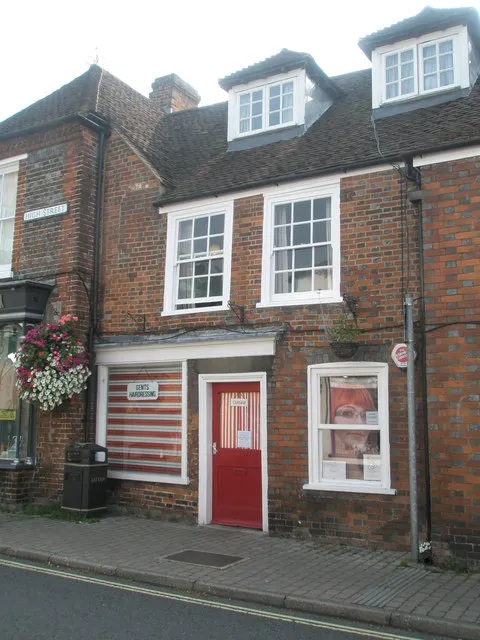
Photo: Basher Eyre, CC BY-SA 2.0, via Wikimedia Commons
There's a particular kind of silence on a phone call we've learned to dread. It's the pause after we tell a shop owner that the beautiful fascia they've just signed off on might need permission from the council — and that nobody mentioned it. Not their landlord, not their architect, not the mate who 'did a bit of sign work once'.
The truth is, most people assume signage is a bit like buying furniture: your shop, your wall, your choice. In England, at least, it's closer to planning a loft conversion. And the rules bite hardest exactly where the most exciting shopfronts live — the old high streets, the conservation areas, the listed buildings everyone loves to photograph.
When Does a Sign Actually Need Permission?
Under the Town and Country Planning (Control of Advertisements) (England) Regulations 2007 — yes, we know, riveting bedtime reading — most signage falls into one of two buckets.
Deemed consent covers the everyday stuff. A modest fascia sign on a standard shop, a small projecting sign, a window graphic that isn't covering half the glass. If your premises aren't listed, aren't in a conservation area, and the sign is proportional to the building, you're generally fine without filling in a form.
Express (advertised) consent kicks in the moment things get interesting. Big illuminated signs. Projecting signs in sensitive areas. Anything on a listed building. Anything in a conservation area that the council deems to need extra scrutiny. In these cases, you apply for consent much like planning permission — with drawings, elevations and a fee — and the council can say no.
The catch? Getting it wrong isn't a slap on the wrist. Councils can issue an enforcement notice requiring removal, and ignoring one is a criminal offence. We've seen businesses forced to take down thousands of pounds of signage three weeks after installation. It's gutting, and it's almost always avoidable.
The Tricky Ones: Listed Buildings and Conservation Areas
If your shop sits in a conservation area — and most historic high streets from York to Rye qualify — the rules tighten considerably. Illumination is the usual trigger. A plain painted fascia might sail through; the same sign backlit with a trough light might not. Some councils publish shopfront design guides that are genuinely useful, spelling out preferred materials, colours and lettering styles.
Listed buildings are another level entirely. Any sign fixed to the fabric of a listed building can require listed building consent on top of advertised consent — and that means drilling holes, brackets and fixings all come under the microscope. Traditional solutions often work best here: hand-painted lettering directly onto timber, or signs fixed into existing mortar joints rather than brickwork.
Don't let this scare you off. Some of the loveliest shopfronts we've produced have been for listed premises — they just took eight weeks and a sensible conversation with a conservation officer rather than a phone call and a van.
The Other Conversation: Your Landlord
Even if the council is happy, your lease might not be. Most commercial leases include clauses about alterations to the exterior, and signage almost always counts. Check yours before ordering anything. Look for words like 'external alterations', 'shopfront' and 'advertisement' — and if in doubt, ask. A landlord who finds out after installation is a landlord in a much worse mood than one consulted early.
Shopping centres and managed estates add another layer: many have their own design codes governing everything from font sizes to illumination hours. Ask for the tenant handbook before you brief your designer, not after.
The Pre-Sign Checklist
Run through this before any money changes hands:
- Is your building listed? Check the Historic England website or your council's planning portal by postcode.
- Is it in a conservation area? Same portal, same search.
- What does your lease say? Read the alterations clause. Twice.
- Is the sign illuminated? Lighting is the single most common consent trigger.
- How big is it? Anything dominating the fascia or projecting far over the pavement deserves scrutiny.
- Have you spoken to the council? Most planning departments will give informal advice for free. A ten-minute call beats an enforcement notice every time.
Where We Come In
A decent signage studio should raise this stuff with you before you ask — it's part of the job. At Fresh Signs, we'd rather lose a week to a consent application than watch a customer rip down work we were proud of. If you're not sure where your shopfront stands, ask early, ask often, and design for the answer you get, not the one you hoped for.
Your fascia will thank you. So will your bank balance.