Full Wrap, Partial, or a Decent Magnet? Spending Your Van Money Where It Counts
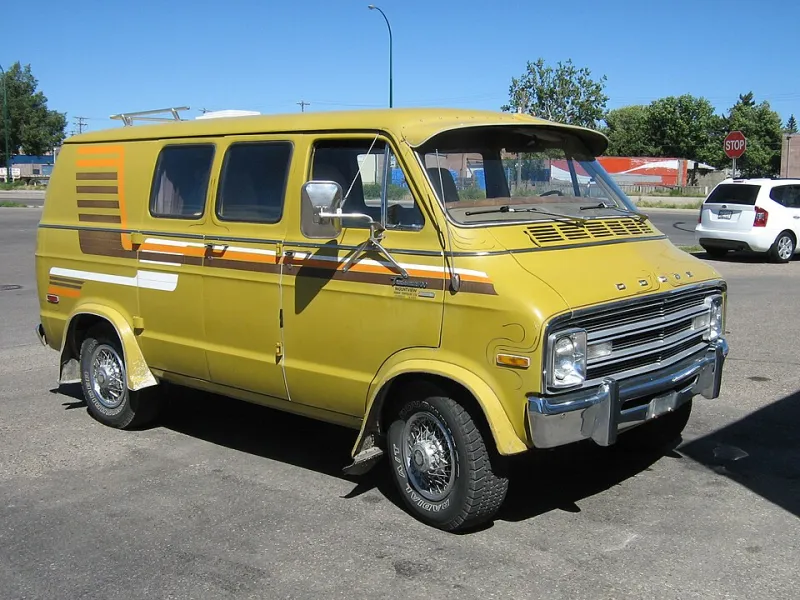
Photo: dave_7 from Lethbridge, Canada, CC BY-SA 2.0, via Wikimedia Commons
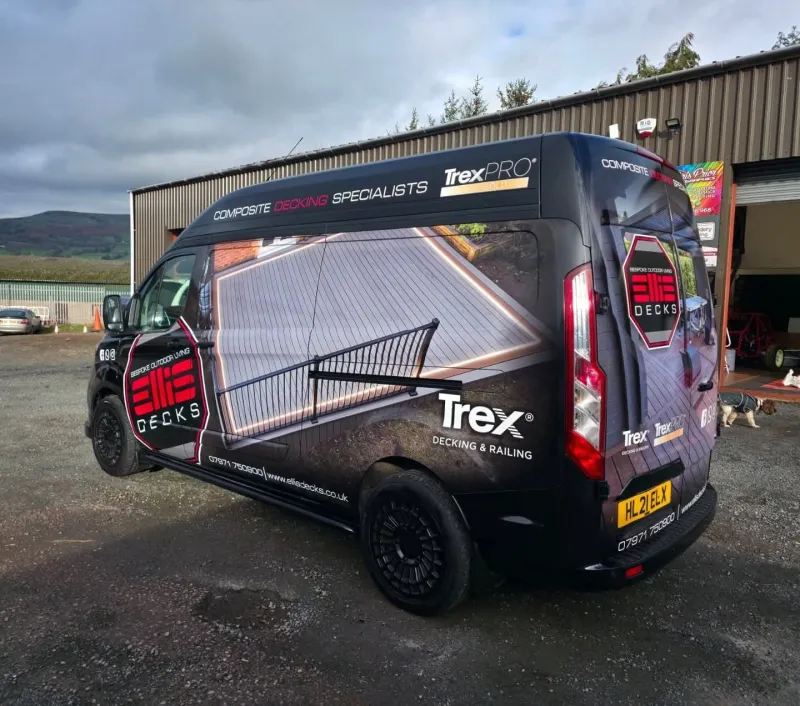
Let's start with a confession: we sell full wraps, and we'd sell more of them if we told every customer they needed one. We don't. Because the truth — the slightly awkward truth for a signage company — is that a full colour-change wrap is the right answer for a minority of trades, and pitching it to everyone is a bit like a barber insisting every head needs a wet shave and a hot towel.
So here's the opinion piece version: match the spend to the job. Here's how we'd break it down.
When a Full Wrap Is Genuinely Worth It
A full wrap makes sense when your vehicle is the advert — when it's parked in public view for hours, or when the impression it creates directly wins you work.
Trades that earn their money from visibility:
- Caterers and street food vans. Your vehicle is your shopfront. At a festival or a market, a fully wrapped van with proper appetite-inducing graphics isn't branding, it's revenue. This is the clearest full-wrap case in the UK.
- Home-service businesses working dense residential routes. Plumbers, window cleaners, domestic electricians. Your van sits on driveways in full view of the neighbours for hours. The classic "van on a drive = three enquiries from the street" effect is real, and a bold full wrap amplifies it.
- Franchises and businesses built on brand recognition. If you're replicating a look across a fleet, consistency matters, and full wraps deliver it.
- Anyone whose van photographs for social media or ads. If the vehicle features in your marketing, it needs to look the part.
There's also the practical point: a full wrap protects the paintwork underneath, which helps resale. For newer vans on finance, that's not nothing.
When a Partial Does the Job Just as Well
A partial wrap — typically covering the bonnet, sides or rear doors while leaving the base colour intact — hits a sweet spot that a lot of UK trades overlook.
Best suited to: builders, landscapers, roofers, scaffolders, and general contractors whose vans spend as much time on muddy sites as on display. You get a big, bold branded presence without paying to wrap every panel of a van that's about to get cement dust on it anyway.
A well-designed partial that works with the van's existing colour — think a white van with a sweeping graphic in your brand colours — can look every bit as professional as a full wrap for 40-60% of the cost. The trick is design quality: a partial done badly looks like a sticker. A partial done well looks intentional.
The Underrated Middle Ground: Quality Lettering
Honestly? For a lot of trades, well-executed vinyl lettering — company name, service, phone number, maybe a web address — on a clean van is all that's needed.
Who we'd steer this way:
- Sole traders on tight budgets starting out. £150-£300 of good lettering beats a blank van by an enormous margin, and you can upgrade later.
- Trades where the van is usually moving or parked in work settings — delivery drivers, mobile mechanics visiting commercial clients who already know you.
- Anyone whose van colour already suits their brand. If you run a green gardening business and your van is green, why pay to change the colour? Add lettering and get on with the job.
The key word is quality. Cheap cut vinyl from a machine in someone's garage peels at the edges within a couple of British winters. Proper cast vinyl, professionally applied, lasts seven years or more.
Magnets: Know What They're For (and What They're Not)
Magnets get a slightly unfair reputation, but they solve a specific problem: mixed use.
If you use your personal car for both work and the school run, or you drive for a rideshare app on nights and your own business on weekends, magnetic signs let you switch between commercial and private at a moment's notice. Taxis, driving instructors doubling as family cars, and part-time traders all have legitimate uses.
What magnets are not is a durable branding solution. They can blow off at motorway speeds, they scratch the paint beneath if grit gets trapped, and they fade. Treat them as a stopgap or a flexible extra — not your main branding.
Our Honest Rule of Thumb
If you want a simple decision framework, here it is:
- Does the parked vehicle directly generate enquiries? Full wrap.
- Is the van going to take a beating on sites? Partial wrap or lettering.
- Is money tight right now? Quality lettering now, upgrade in two years.
- Is the vehicle shared between work and personal use? Magnets, and accept the trade-offs.
The blank van is the only genuinely wrong answer — an unbranded vehicle is a rolling opportunity you're giving away for free. But between blank and full wrap sits a whole spectrum, and the right point on it depends on your trade, your routes and your budget. Come and have a chat before you commit to the most expensive option on the menu. Sometimes the answer really is the full wrap. Sometimes it's three hundred quid of very good lettering and a job well done.